

For men
When drive, recovery and shape quietly change.It can start in your 30s, sometimes earlier: training that stops paying, sleep that breaks at 3am, a shorter fuse, a softer middle, a drive that is not what it was.
Loading page
Online check unavailable right now. Request a time instead.
Hormone health
Lost your edge and cannot point to why?
Flat drive, shifting body composition and sleep that has changed are signals worth taking seriously, for men and for women. An Australian-registered practitioner looks at what sits behind them, with pathology where it adds clarity.
Consultations with Australian-registered practitioners.

The pattern
Not every night. Just more nights than before.
Same training, same food, a different shape.
Drive, mood and focus feel borrowed.
Nothing here is dramatic. Together, it is a pattern.

Your picture
One system underneath. Hormone symptoms rarely arrive alone. That is the clue.
It can start in your 30s, sometimes earlier: training that stops paying, sleep that breaks at 3am, a shorter fuse, a softer middle, a drive that is not what it was.

Cycles that change, sleep that fractures, heat that arrives unannounced, mood and memory that feel borrowed.
What gets looked at
Assessment looks wide before it looks narrow.
Mid 30s, perimenopause, menopause, or a stage nobody has named for you yet.
Symptoms read together, in the context of your history, not one at a time.
Pathology-informed, practitioner-decided and adjusted as your biology shifts.
Goals of care
Pathology-informed assessment before any decisions about care.
Daily output that matches the effort you put in.
Perimenopause and menopause managed seriously.
Monitoring adjusted as your biology shifts.
These are goals of care, not guaranteed outcomes. Treatment is prescribed only where an Australian-registered practitioner decides it is clinically appropriate, and a consultation does not guarantee that treatment or a prescription will be provided.
How it works

Symptoms, history and lifestyle.

A video consultation with an Australian-registered practitioner.
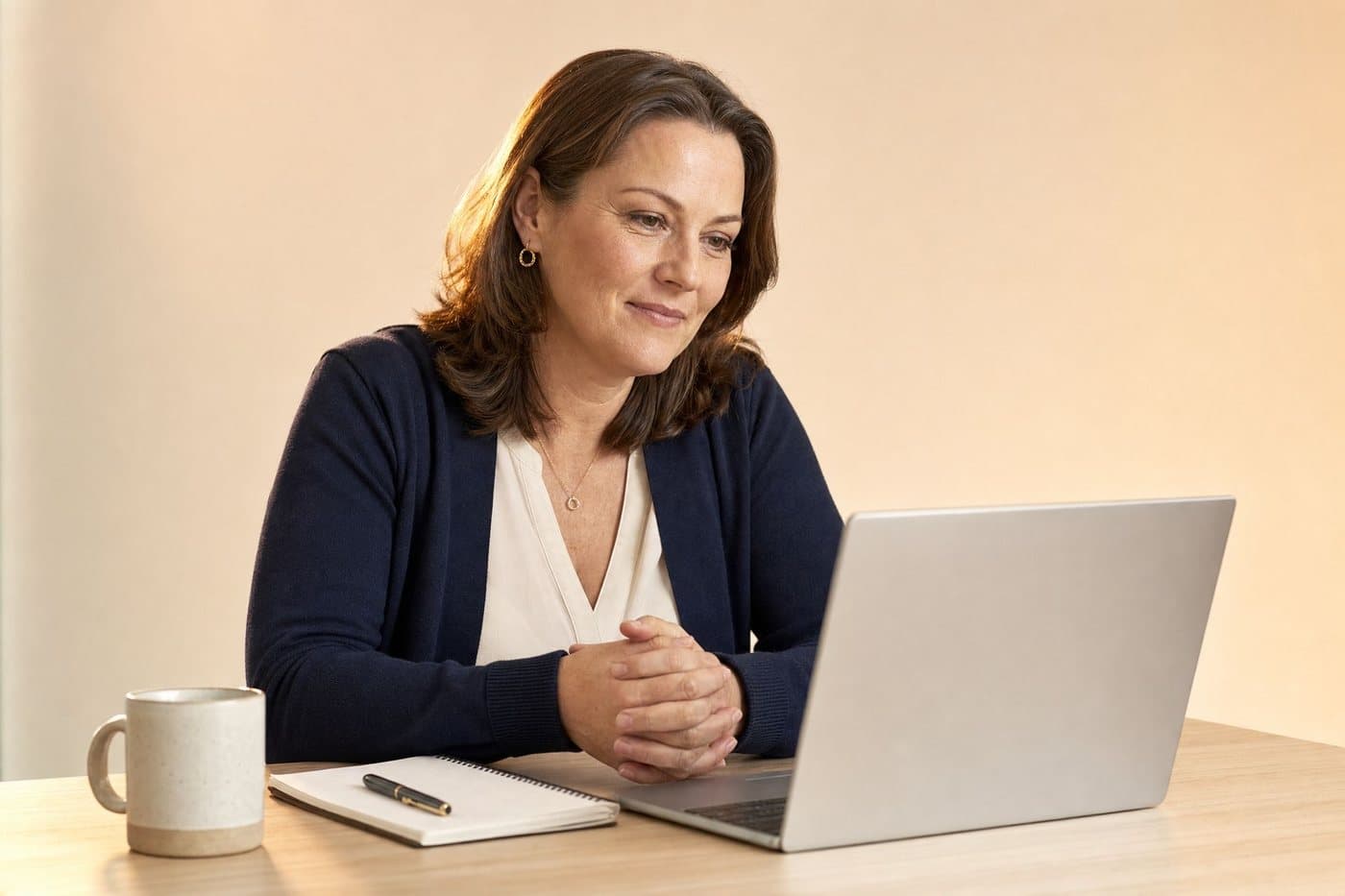
Your practitioner assesses the full picture. Optional pathology: add a panel when you book, or your practitioner may ask for it if needed.

Follow-up consultations keep care aligned.
Tell us about your symptoms, history, lifestyle and goals. Your health assessment helps connect you with the appropriate area of care and gives your practitioner a clearer place to begin.
A consultation does not guarantee that treatment or a prescription will be provided.